The XXVI Inter-University Youth Scientific School-Conference named after B.S. Ishkhanov, titled "Concentrated Energy Fluxes in Space Technology, Electronics, Ecology, and Medicine", was held from November 26 to 27.
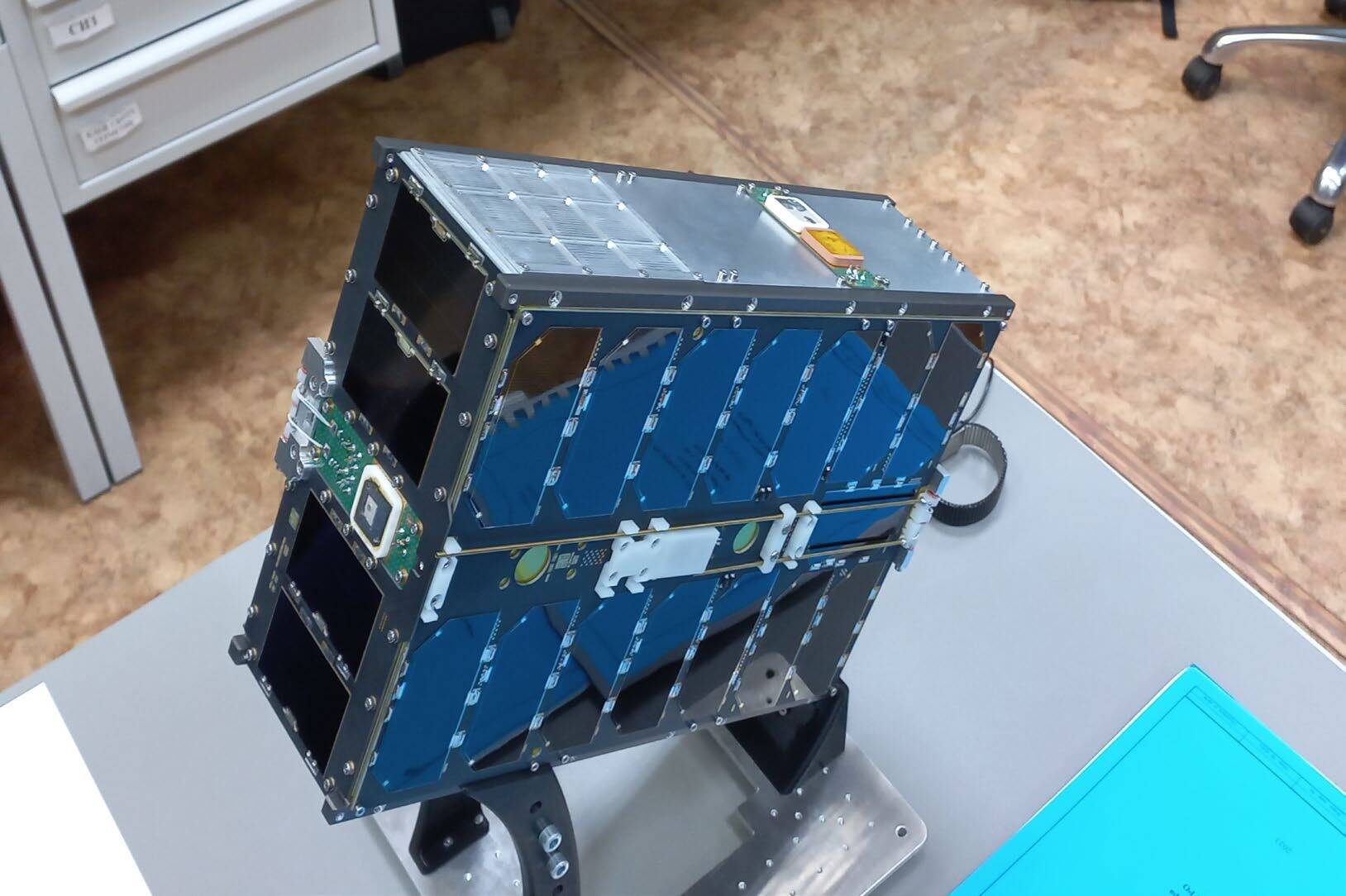
Researchers from the Radiation Monitoring Lab SINP MSU took part in the conference and presented a series of reports dedicated to advanced scientific instruments operating on board the Small Satellites (CubeSats) of the Space-π project.
Within the section "Physics of Cosmic Rays and Solar-Terrestrial Relationships", presentations were delivered that revealed the first results and data processing methodologies from our satellites:
A particular interest was sparked by an interdisciplinary study presented in the "Medical Physics and Radiation Biology" section:
Within the section "Physics of Cosmic Rays and Solar-Terrestrial Relationships", presentations were delivered that revealed the first results and data processing methodologies from our satellites:
- I.A. Zolotarev and colleagues presented the results of radiation environment studies using the KODIZ-2 spectrometer installed on the CubeSats.
- A.N. Efimkin and the team of authors reported on the first data from the MADIZ instrument, marking a significant milestone for the mission.
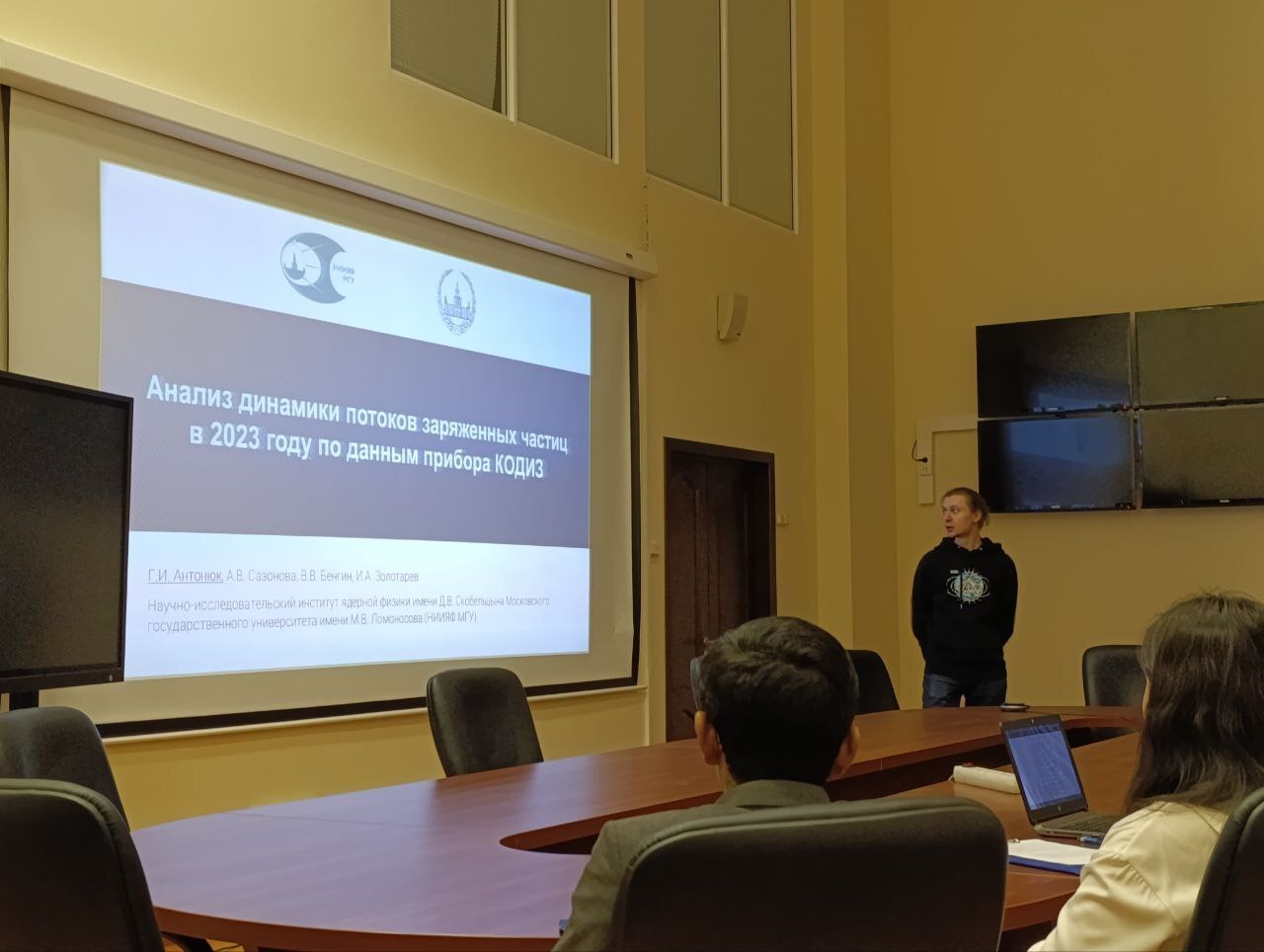
- G.I. Antonyuk, A.V. Sazonova, et al. performed an analysis of charged particle flux dynamics in 2023 using data from the CODIZ instrument, demonstrating the relevance of our data for space weather monitoring.
- A.V. Sazonova and co-authors proposed an innovative method for reconstructing proton spectra using a Bayesian approach based on data from the "Monitor-1" satellite.
A particular interest was sparked by an interdisciplinary study presented in the "Medical Physics and Radiation Biology" section:
- I.A. Zolotarev and colleagues presented their research on the viability of microorganisms under spaceflight conditions using the unique BIOL-2 instrument.
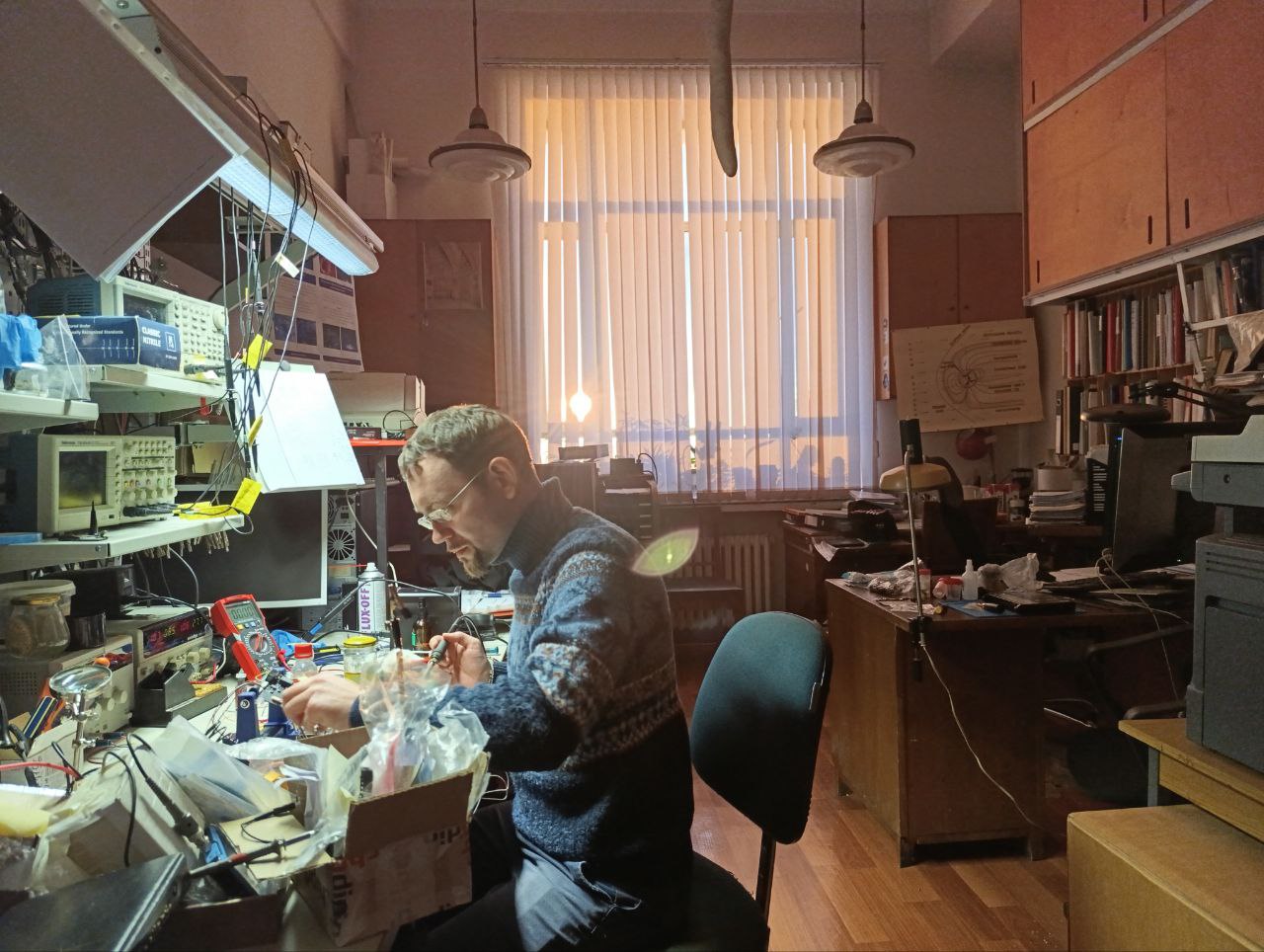
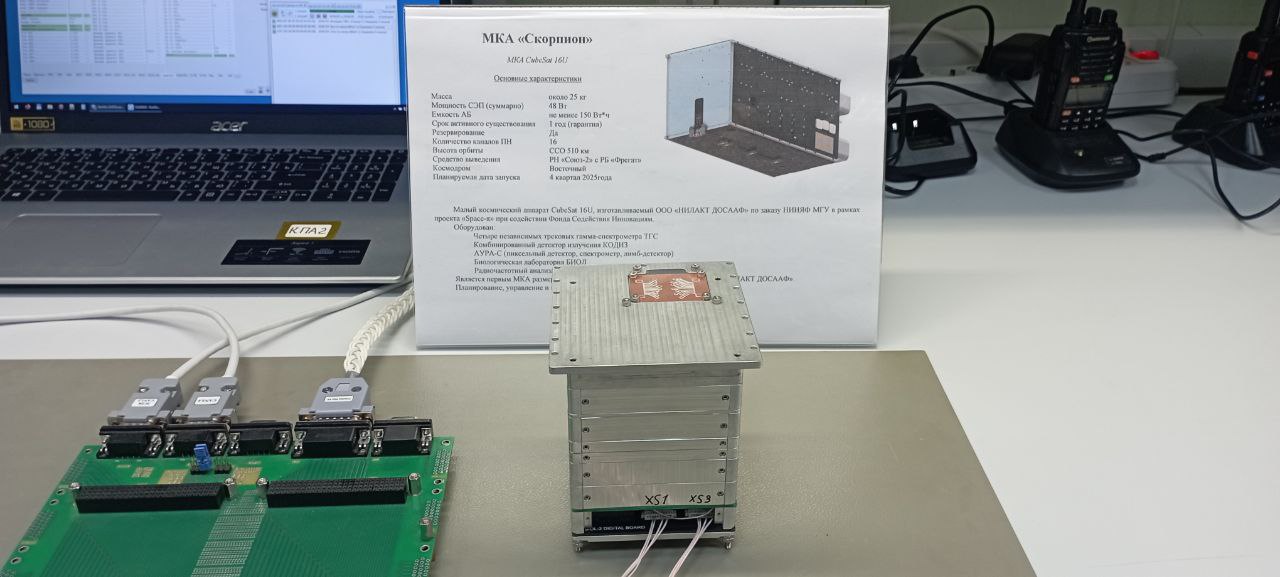
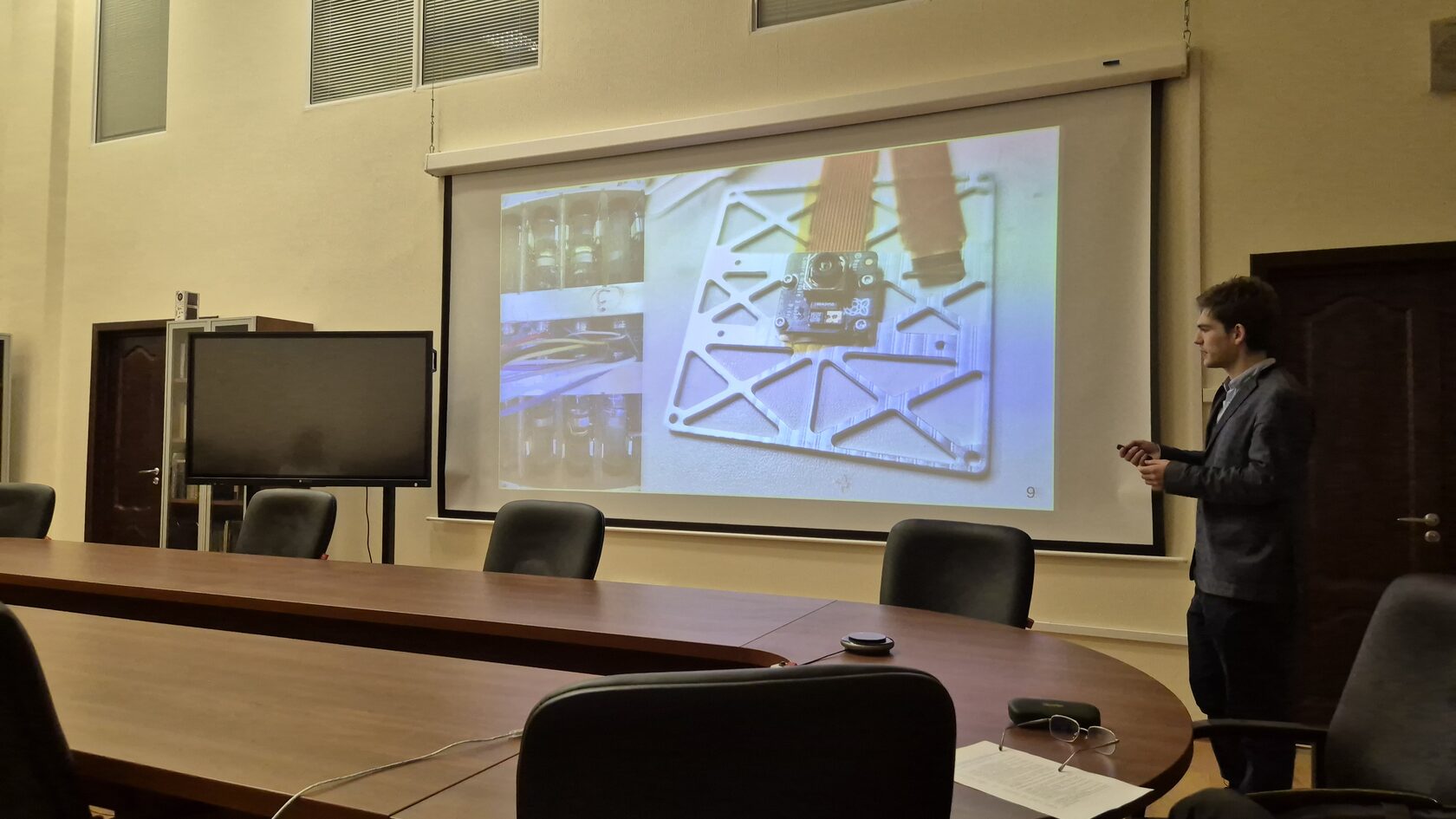
Furthermore, as part of the preparations for the launch of the "Skorpion" satellite, a presentation was given on a new detector for atmospheric and astrophysical gamma-ray bursts. This detector will significantly expand the satellite's capabilities for studying high-energy phenomena in the Universe.
It should be noted that the scientific instruments developed by the Laboratory of Radiation Monitoring are operating on board the Skorpion, Monitor-1, and Altair CubeSats.
You can learn more about these missions on the project's website:
You can learn more about these missions on the project's website:
The research was conducted as part of Lomonosov Moscow State University state assignment and with the support of the MSU Development Program (project No. 24-Sh01-05). The satellite launches were carried out with the support of the Space-π research and educational consortium and the Foundation for Assistance to Small Innovative Enterprises.
We congratulate our colleagues on their successful presentations and wish them new scientific discoveries!
We congratulate our colleagues on their successful presentations and wish them new scientific discoveries!
