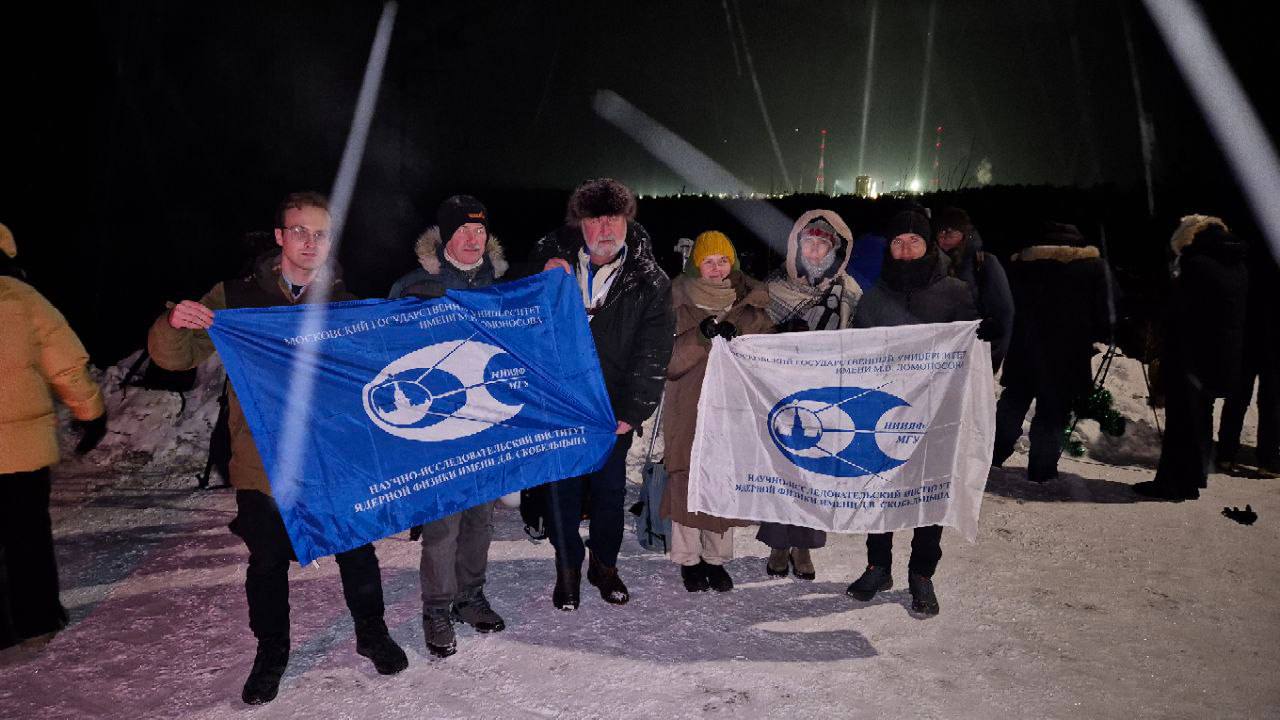
A historic launch has taken place!
Today, December 28, the Soyuz-2.1b launch vehicle successfully lifted off from the Vostochny Cosmodrome, carrying the "Scorpion" cubesat, a spacecraft developed with the participation of scientists from the SINP MSU.
At 16:18, it embarked on its first space flight. This is the culmination of months of work by the team. "Scorpion" represents a new level for domestic small satellites:
Today, December 28, the Soyuz-2.1b launch vehicle successfully lifted off from the Vostochny Cosmodrome, carrying the "Scorpion" cubesat, a spacecraft developed with the participation of scientists from the SINP MSU.
At 16:18, it embarked on its first space flight. This is the culmination of months of work by the team. "Scorpion" represents a new level for domestic small satellites:
- 16U format: The largest cubesat in our lineup and one of the biggest in Russia.
- Unique science: Onboard is a complex of scientific instruments, with a research scope comparable to major satellite missions like "Lomonosov".
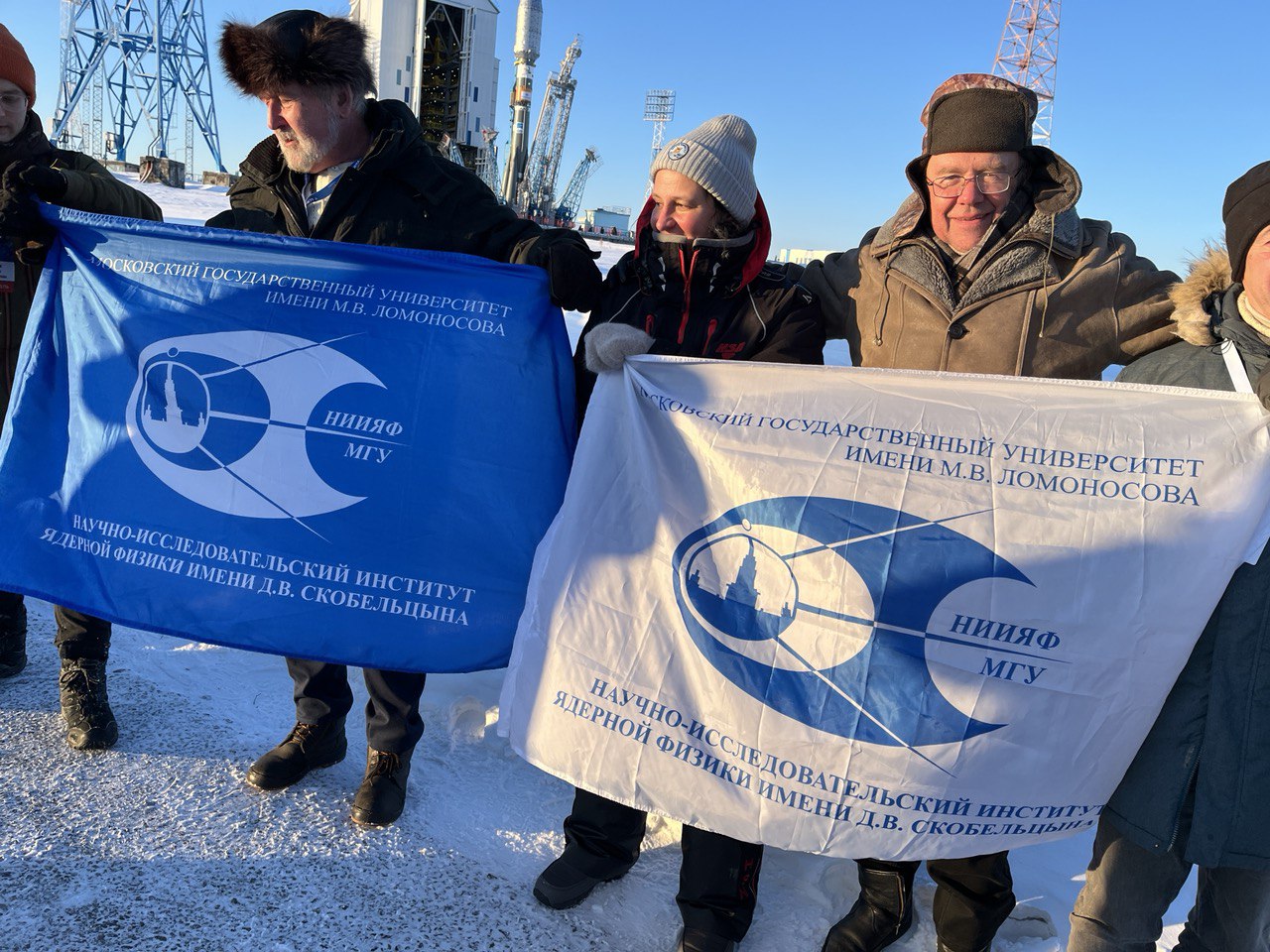
The main objectives of "Scorpion" in orbit:
This launch is a crucial milestone for Moscow State University, the Space-Pi educational project, and the nationwide "School Cosmos" program, under which "Scorpion" was created.
We are demonstrating that advanced space technologies and research are within reach for young engineers and scientists.
[Link to the technical live stream]
Photography provided by the Roscosmos State Corporation.
- To scan radiation: Measure the levels of cosmic radiation around Earth to understand its impact on technology and future missions.
- To search for correlations between phenomena: Simultaneously analyze light flashes, gamma rays, and charged particles to study the mysteries of the Universe.
- To test how space conditions affect biological samples and refine methods for searching for potential signs of life.
This launch is a crucial milestone for Moscow State University, the Space-Pi educational project, and the nationwide "School Cosmos" program, under which "Scorpion" was created.
We are demonstrating that advanced space technologies and research are within reach for young engineers and scientists.
[Link to the technical live stream]
Photography provided by the Roscosmos State Corporation.
